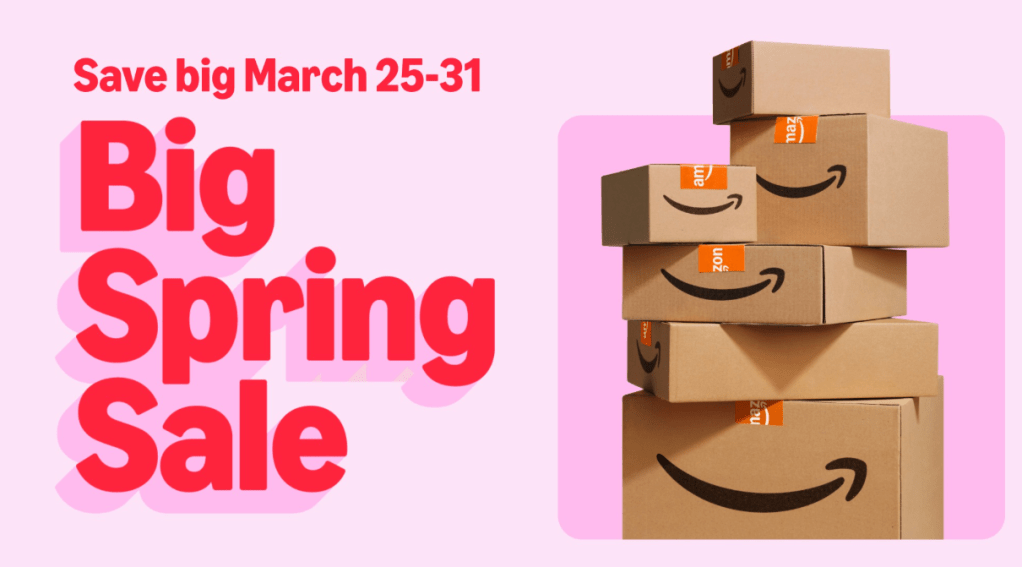
On March 16, 2026, Amazon announced its Big Spring Sale (March 25-31). Within days, Target launched Circle Deal Days, Walmart rolled out its spring sale, and Best Buy, Wayfair, Ulta, Sephora, and Nordstrom all followed with competing promotions during the same week.
The Cycle of Action and Reaction
Amazon’s Big Spring Sale is a strategic competitive action, a major promotional campaign requiring months of planning and company-wide coordination. The response was immediate. Retailers face the core tension in competitive dynamics: the threat of losing customers versus the cost of matching a rival’s action.
For Target and Walmart, Amazon’s spring sale creates an unavoidable threat. Customers comparison shop. When Amazon runs a week-long promotional event, competitors must respond or accept traffic and revenue losses.
They responded.
Why Reaction Was Inevitable
Amazon’s Big Spring Sale scored high on every factor that determines competitive response likelihood: market commonality, resource similarity and visibility.
The result was the “Halo Effect”, Amazon’s action forces competitors to run simultaneous events to capture consumer attention during the same period.
Reshaping Industry Structure
Amazon’s pattern of introducing sales events has restructured retail competition. What began as a single Prime Day in July has evolved into a year-round promotional calendar:
March: Big Spring Sale (introduced 2024) July: Prime Day (introduced 2015) October: Prime Big Deal Days (introduced 2022)
Each Amazon initiated event forces industry-wide participation. Retailers who initially resisted now run their own spring sales because customer expectations shifted.
Sources & Notes
This analysis applies competitive dynamics concepts to Amazon’s Big Spring Sale announcement and the resulting competitive responses from Target, Walmart, Best Buy, Wayfair, Ulta, Sephora, and Nordstrom.
All interpretations and strategic conclusions represent independent analysis.
 Kyrus' Fulfillment Files
Leave a comment