Fulfillment Strategy & Analysis
Independent analysis of fulfillment, supply chain strategy, and competitive forces shaping modern operations.
Independent analysis of fulfillment, supply chain strategy, and competitive forces shaping modern operations.

Andy Jassy’s April 2026 shareholder letter revealed Amazon’s operational buildout: over 1 million robots across fulfillment centers, $4 billion committed to rural delivery, 85+ Same Day Fulfillment Centers delivering 500 million units, Prime Air drones serving 30 million customers by year-end, 241 satellites launched for Amazon Leo. The Modular Boundaryless Model Boundaryless organizations take three…
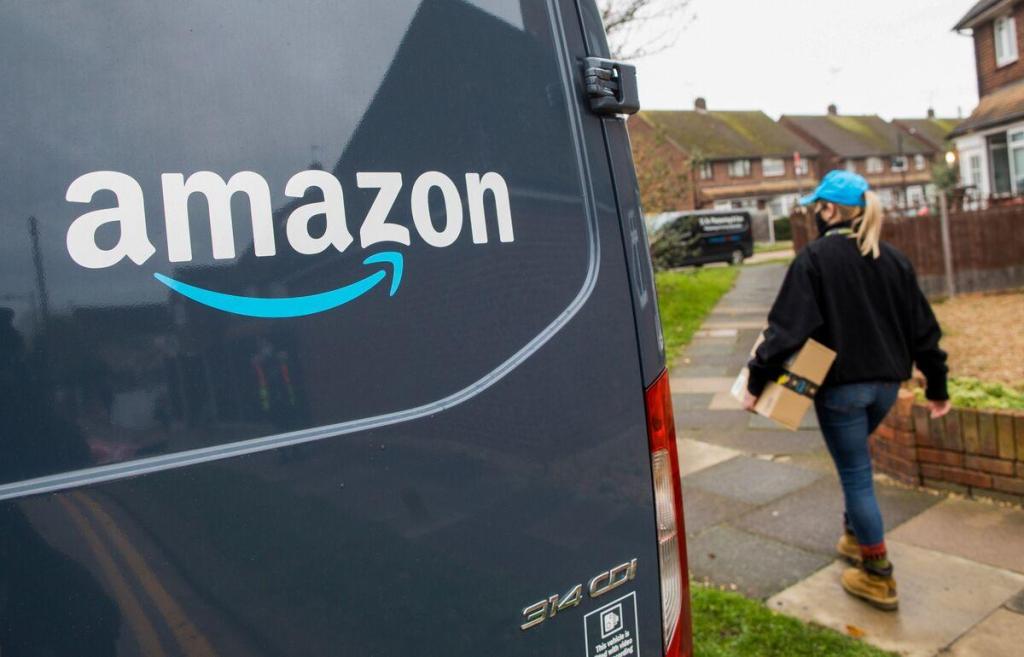
On March 26, 2026, Amazon launched its “My Why” contest, $1,000 cash prizes for 100 delivery drivers who submit stories about why they love their jobs. Drivers share their journey, what they love about “delivering smiles to customers,” or how the role supports their goals. The catch: drivers must consent to Amazon using their words…

On March 16, 2026, Amazon announced its Big Spring Sale (March 25-31). Within days, Target launched Circle Deal Days, Walmart rolled out its spring sale, and Best Buy, Wayfair, Ulta, Sephora, and Nordstrom all followed with competing promotions during the same week. The Cycle of Action and Reaction Amazon’s Big Spring Sale is a strategic…

Amazon’s next-generation fulfillment center in Shreveport, Louisiana, showcasing robotics integration for transnational operations. Transnational Strategy Through Technology Platforms International strategy requires firms to balance two opposing forces: reducing costs through standardization and adapting to local markets. Amazon pursues both by standardizing technology while localizing implementation. Brisbane: Same Robots, Different Implementation On March 6, Amazon announced…
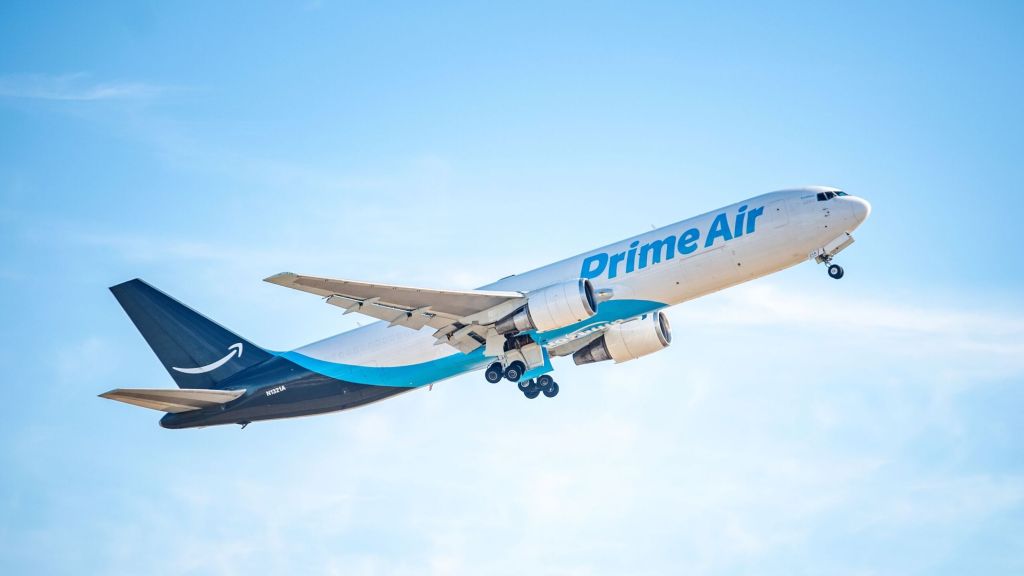
Amazon’s competitive advantage cannot be fully understood at the business level alone. While cost leadership and differentiation explain how Amazon competes within markets, its broader strength emerges from corporate-level strategy, particularly its deliberate and expanding use of vertical integration. Corporate-level strategy addresses the scope of the firm: where it competes and how its various business…
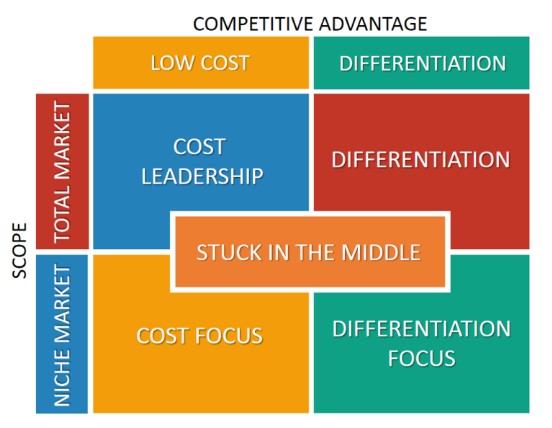
Amazon’s position as a dominant competitor in global e-commerce and related services reflects not just scale, but how it competes at the business level. According to Porter’s generic strategies, a firm seeking a sustainable competitive advantage must choose a strategic position based on cost leadership or differentiation within a target market. Unlike many firms that…

Amazon’s competitive advantage is often discussed in terms of warehouses, robotics, and cloud infrastructure. Tangible assets are important, but they tell only part of the story. To understand Amazon’s sustained strategic position, it is essential to look at its intellectual assets; the knowledge, capabilities, and organizational structures that allow it to put technology and physical…
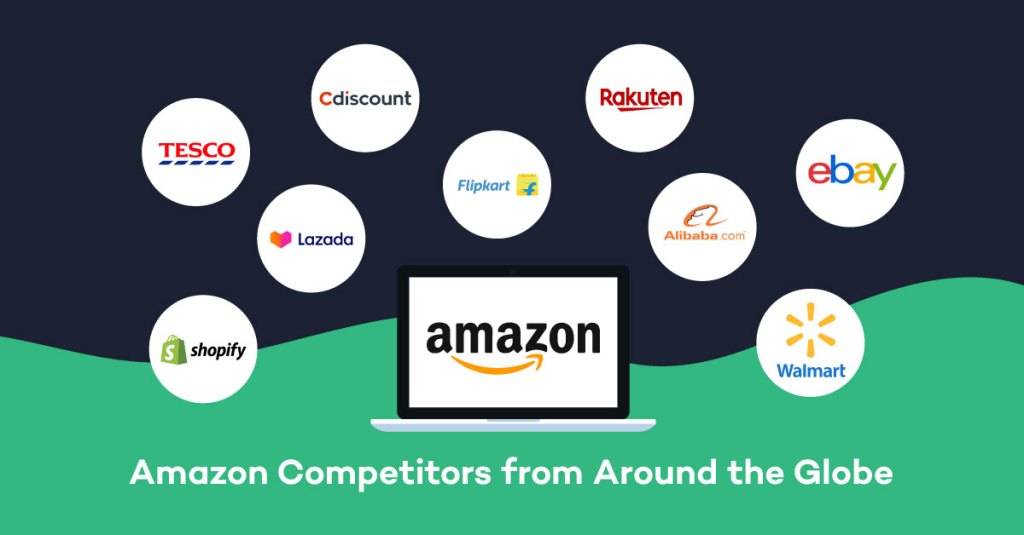
Amazon continues to attract attention for its scale, a global fulfillment footprint, and an ever-expanding portfolio of automation and AI investments. Yet scale alone does not explain why competitors with similar capital access and technology struggle to replicate Amazon’s performance. A more useful explanation emerges when Amazon’s strategy is examined through the Resource-Based View (RBV)…

An analysis of Amazon’s competitive environment and the external pressures shaping its strategy, including rivalry, customer power, substitutes, and regulatory forces.

